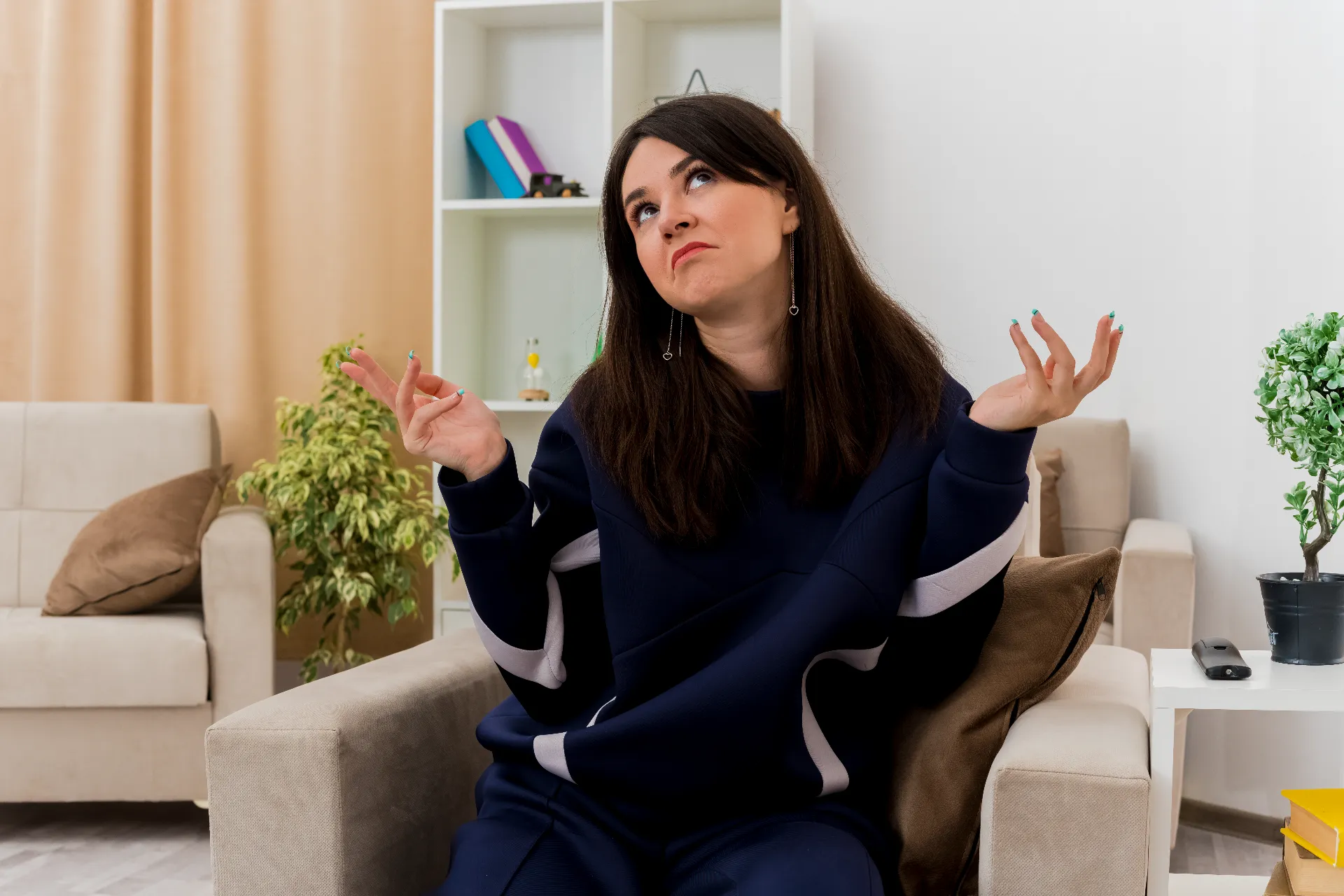
For many people, especially those who have experienced trauma or grown up in environments where their emotions were misunderstood, there is a deeply ingrained belief: “I am too much.” Too sensitive, too emotional, too needy, too complicated. Over time, this belief can shape the way we show up in relationships, how we express ourselves, and even how we view our own worth.
But what if the truth is not that you are “too much,” but that your experiences have required you to feel deeply in order to survive?
Emotional intensity is not a flaw—it is often a reflection of your capacity to care, to connect, and to respond to the world around you. For individuals navigating trauma, chronic stress, or identity-based challenges, emotions can feel heightened because your nervous system has learned to stay alert. This is not weakness; it is adaptation.
In trauma-informed therapy approaches like DBT (Dialectical Behavior Therapy), emotional regulation is not about suppressing feelings, but about learning how to understand and navigate them. Emotions carry information. They tell us when something matters, when a boundary has been crossed, or when we need support. The goal is not to become less emotional, but to build the tools to feel safely and respond effectively.
For many LGBTQ+ individuals and those whose identities have been questioned or invalidated, emotional intensity can also be linked to experiences of not being fully seen or accepted. When your truth has been dismissed, your emotions may become louder—not because they are excessive, but because they are trying to be heard.
Healing begins when we shift from judgment to curiosity. Instead of asking, “Why am I like this?” we begin to ask, “What is this feeling trying to tell me?” This subtle shift opens the door to self-compassion.
It’s also important to recognize that emotional safety plays a huge role in how we experience and express our feelings. In spaces where we feel judged or misunderstood, emotions can escalate quickly. In contrast, when we feel safe, supported, and validated, our nervous system can begin to settle.
You deserve spaces where you do not have to minimize yourself to be accepted. You deserve relationships where your emotions are not seen as a burden, but as a part of your humanity.
You are not “too much.” You are someone who has learned to feel deeply in a world that hasn’t always made space for that depth. And with the right support, those feelings can become a source of strength, insight, and connection.